
Most mold removal in Fort Myers is not covered by a homeowners policy. Mold from humidity is excluded; mold from a sudden water event may be paid, but only up to a sublimit (in Florida commonly $10,000 or less); and mold from flooding is excluded outright and belongs to NFIP flood coverage. When you pay yourself, expect about $500–$6,000.
The exclusion, the sublimit, the flood line Ian taught, and the clock that decides claims.
The mold exclusion, plainly
Florida homeowners policies treat mold from lasting moisture as a result of poor upkeep: summer humidity, AC condensation, a slow drip under a bathroom vanity. Every one of those is excluded, and between them they account for most mold in Lee County homes. The exception is mold resulting directly from a sudden covered water event (the burst supply line, the failed water heater, the wind-opened roof) and even there, most policies cap the mold portion through a fungi/mold limitation. Everything turns on the words sudden and accidental. Your own policy wording governs, and this page is general information, not coverage advice.
The flood line, as taught by Ian
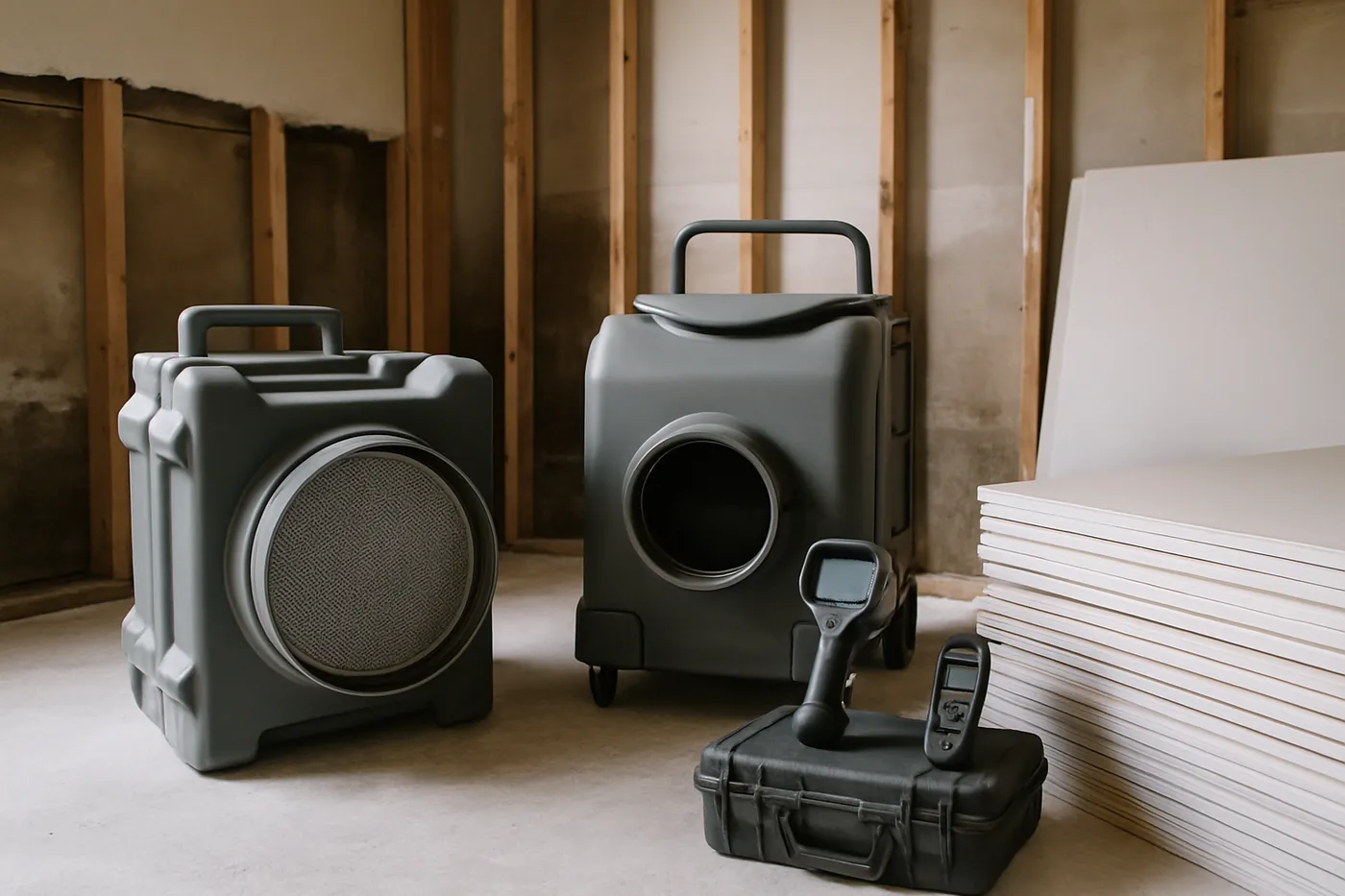
Hurricane Ian made Lee County the national classroom for one distinction: wind is homeowners, water from below is flood. Surge and rising water are excluded from homeowners policies entirely, so the mold that followed 2022’s inundation was an NFIP question for every address it touched, and NFIP’s mold coverage carries its own condition, that growth couldn’t reasonably have been prevented after the event. The practical residue for every Fort Myers homeowner: know your flood policy’s post-event duties now, and treat rapid dry-out as the act that serves both policies and the house itself.
Covered or excluded: the usual verdicts
| What happened | Usual outcome |
|---|---|
| Humidity or AC-condensation mold | Excluded: long-term moisture |
| Mold following a burst pipe that was dried and recorded quickly | Often paid, up to the sublimit |
| Mold from a slow leak found months later | Usually excluded, not sudden |
| Mold after surge or rising water | Homeowners: excluded. NFIP flood question |
| Mold in walls rebuilt wet after a storm | Contested: documentation from the rebuild decides |
Build the file, beat the clock
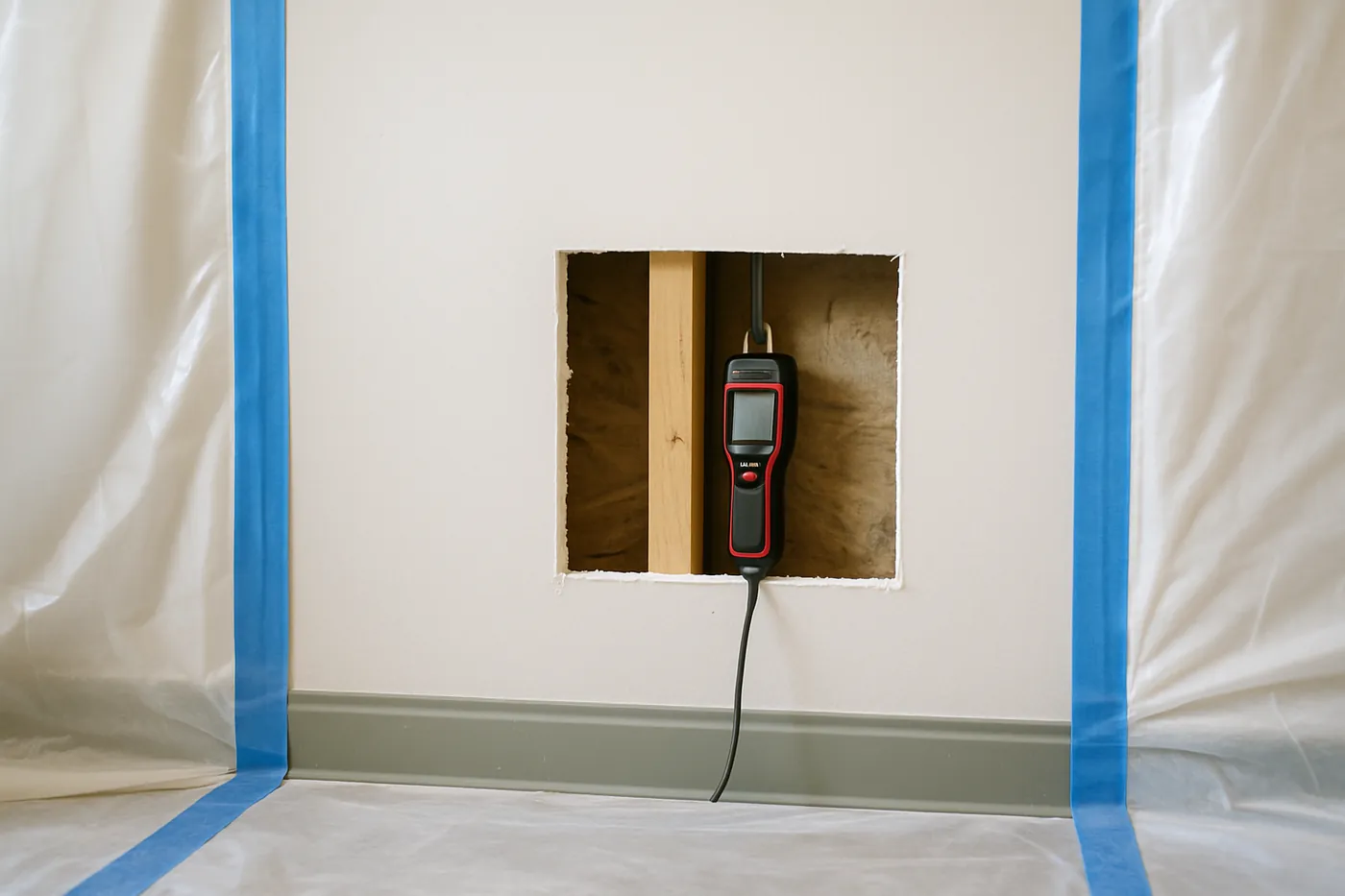
- Photograph the event same-day: the broken line or the mark the water left, with the date showing.
- Start drying immediately and keep receipts: limiting the damage is required by the policy, and the receipts prove you did.
- Written trade diagnosis naming the failure sudden.
- Document growth before removal: photos, and testing at $300–$900 where a dispute looms.
If the insurer says no, which is the usual outcome, the cost guide lists what each kind of job costs, and removal can go ahead on a line-by-line estimate, with cosmetic work left for later.
If the denial letter comes back
A denial letter is the insurer's opening answer, not necessarily its last. Ask for the exact policy wording it relied on, in writing, and then argue about what caused the water rather than about the mold. Mold alone is nearly always excluded, while mold that follows a covered sudden discharge often is not. What wins a mold claim is a clear timeline of when the leak began, when you found it, and what you did that day, supported by dated photos, the plumber's bill, and moisture readings. If the insurer stops responding, the Florida Department of Financial Services accepts consumer complaints. Keep an eye on the policy's deadline for bringing a lawsuit, because with mold claims a missed date ends more disputes than the facts do.
Insurance questions, straight answers
Does homeowners insurance cover mold removal in Florida?
Usually not. Policies exclude mold caused by lasting moisture such as humidity, condensation, and slow leaks, which covers most mold along the Gulf Coast. Coverage tends to apply only when mold comes straight from a sudden covered water event, and Florida policies often limit even that with a mold sublimit, frequently $10,000 or less. Your policy's fungi/mold limitation section carries the numbers.
What did Ian teach Lee County about the flood line?
That it's absolute. Surge and flood water are excluded from homeowners policies entirely: mold following them is an NFIP flood-policy question, and NFIP's own mold coverage requires that growth couldn't reasonably have been prevented after the event. Thousands of Lee County claims turned on that distinction in 2022-23; know which policy your damage speaks to before filing.
What's the sublimit and why does it bite here?
A cap inside the coverage: many Florida policies limit mold remediation to a fixed figure (commonly $10,000, sometimes less) separate from the water damage that caused it. In a climate where colonies establish in days, a slow response can push the mold portion past the cap while the water portion pays fine. Fast drying keeps the loss inside the number.
Why does speed decide Florida mold claims?
Growth timelines and policy duties both. Mold establishes on wet material in 24-72 hours here, and policies require reasonable mitigation: an owner who dried and documented promptly reads as a covered sudden event; one who discovered it a month later reads as neglect. Photograph, dry, keep receipts: the same acts protect the house and the claim.
What does mold removal cost when insurance says no?
The same as for anyone: most home remediation costs $500-$6,000 depending on spread, dry-outs $600-$3,500, and testing $300-$900. A written scope priced line by line lets you stage the job, fixing the moisture and removing active growth now and saving cosmetic work for later. Most mold work in Southwest Florida is paid out of pocket, which is why this site publishes its prices.
Will filing raise my premium or risk non-renewal?
Talk to your agent before you file; it is a fair concern. Insurers look at claim history at renewal, and some review a policy quickly after a water claim. Even a denied claim stays on your record. So file when a covered sudden discharge caused the damage and you can prove it, and think twice when the mold exclusion clearly applies.
Get a Fort Myers mold inspection
Tell us what you’re seeing or smelling: a musty room, staining on a wall base, discoloration in the AC closet, humidity that never drops, and we’ll pass it to one independent local specialist who works in Fort Myers. That specialist will call you back about an inspection.