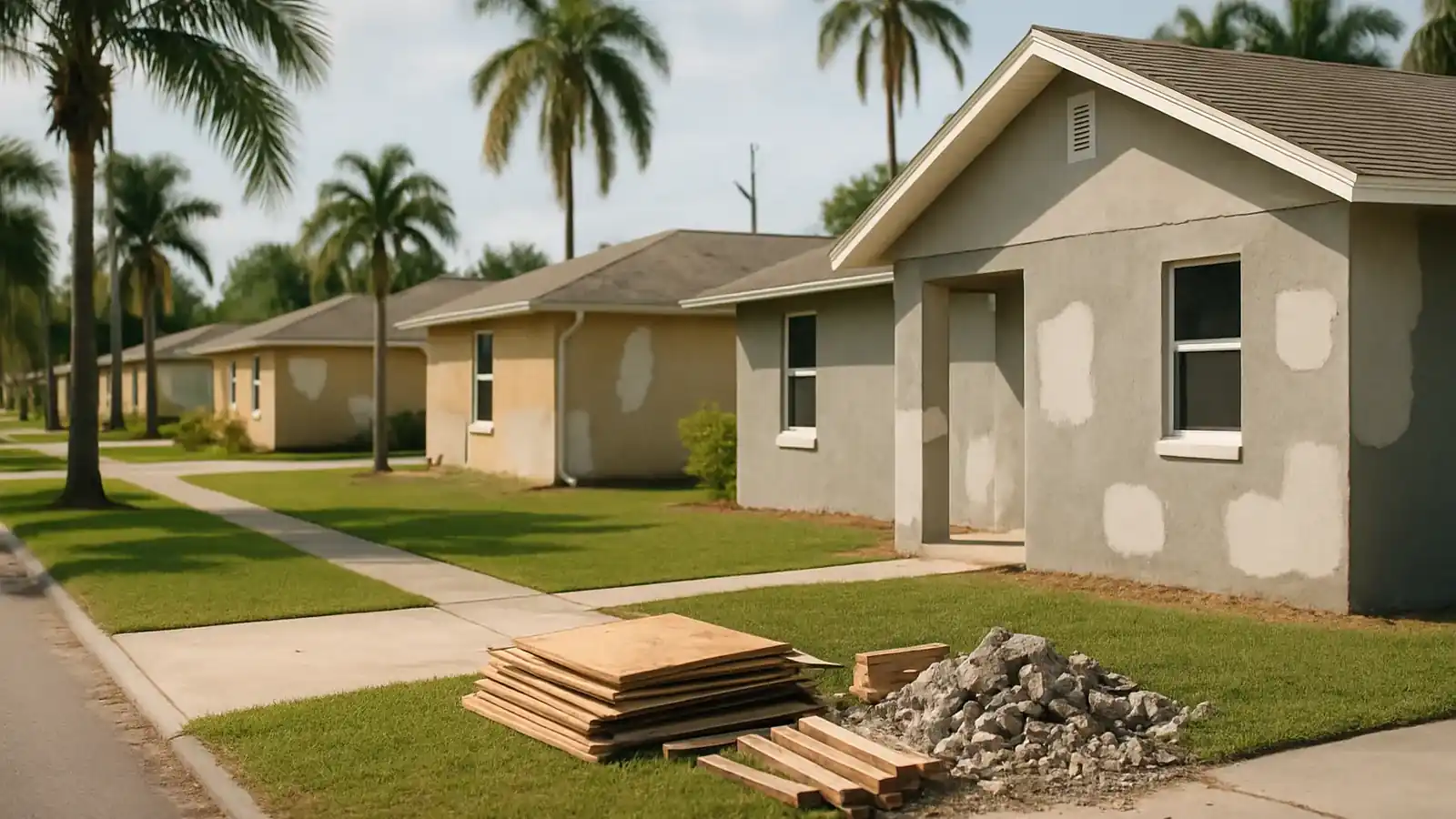
Mold removal in Fort Myers Beach costs $500–$6,000 for most residential remediation, with AC and duct cleanup $600–$3,500 and water damage restoration $1,000–$8,000. On the island the leading causes are storm water left in walls and moisture closed into rebuilt walls before they dried.
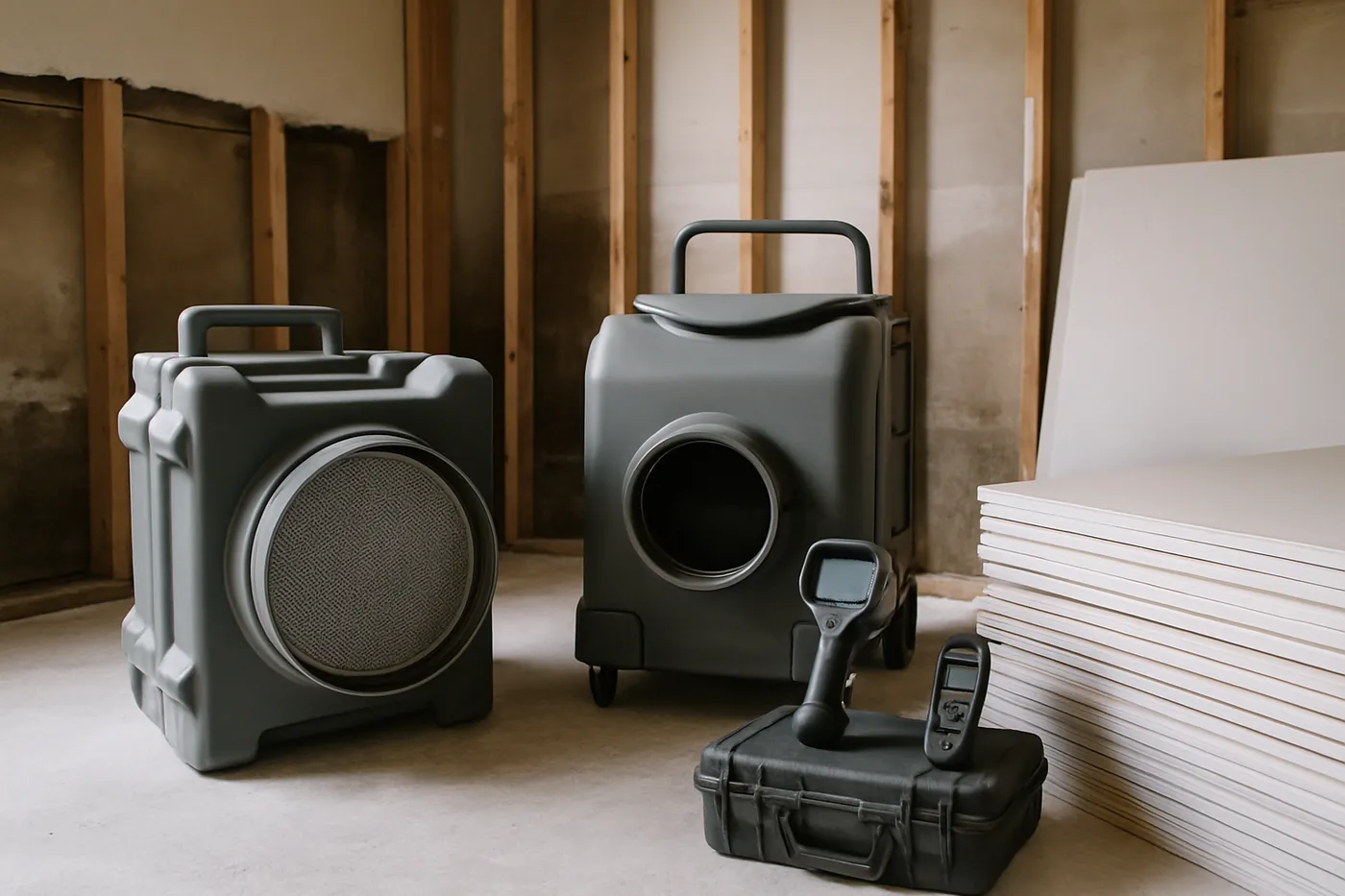
Rebuilt at scale, and that is the story
Fort Myers Beach absorbed some of the most severe storm surge damage in the region when Hurricane Ian came ashore in September 2022, and the reconstruction since has been extensive. That makes this the community where trapped construction moisture is the most likely single explanation for a musty smell in an otherwise finished home.
The mechanism is straightforward and it isn't anyone's malice. Structural drying is a metered process requiring days of equipment and documented readings against a dry standard. At the scale and speed this island rebuilt, with contractors stretched across an enormous volume of work and owners desperate to return, walls got insulated and boarded over framing that hadn't finished drying. The moisture had nowhere to go, growth started inside a sealed cavity, and the odor surfaced months later.
Below-elevation enclosures need a clear rule
Elevated reconstruction leaves ground-level space below the flood elevation, and that space is designed to be unconditioned: flood vents, not sealed walls, so water passes through rather than destroying the structure. In this climate it therefore holds high humidity year-round.
The rule that keeps it from becoming a mold problem: keep porous material out of it. No drywall, no upholstered storage, no cardboard, no carpet. Where an enclosure has been finished out, it is worth reconsidering before it becomes a remediation and, on a floor assembly shared with living space above, a structural moisture question too.
What to ask any contractor still working here
Ask for the moisture log and the dry standard before insulation goes in. Ask whether the license is current, through DBPR. Ask whether containment is included in any mold scope. Those three questions cost nothing and they filter a great deal in a market that has drawn this much out-of-area contracting activity.
The island's housing in the Census
The Census Bureau's 2020-2024 American Community Survey counts about 9,900 homes in the Town of Fort Myers Beach, with a median build year of 1983. The 1980s account for about a third and the 1970s for about a quarter, so roughly 60% went up in those two decades, while only about 14% date from 2000 or later. When one of those older houses took storm water, its rebuild is where moisture can get sealed in.
Permits and the five-year look-back
The town's building services page says emergency tarps and minor water leaks that touch no structural, mechanical, plumbing or electrical system need no permit, while roofing and changes to supply or drain lines do. Its substantial improvement page says the 50% calculation must include all permits obtained in the past five years, so a mold rebuild on a house that already had storm repairs counts toward that limit. New flood maps took effect on November 17, 2022, and the town's flood page links a tool to find your zone.
Asked in Fort Myers Beach
Our repaired house smells musty. What's likely going on?
Most likely moisture sealed into a rebuilt assembly. Structural drying takes days of metered readings against a dry standard, and at the volume and speed this island rebuilt, walls were sometimes closed over framing that hadn't finished drying. It surfaces as odor months later in a room that looks perfect.
Does the room have to be gutted to find it?
Rarely. The room seldom has to be gutted to find it. Non-invasive meters read through finishes, thermal imaging shows where wet material sits behind a surface, and a borescope inspects a cavity through a pencil-sized hole. Those narrow it enough that any opening is targeted, often a single cut. A good specialist shows you the readings before touching anything.
Can we finish out the space under the house?
It's designed not to be finished. Below-flood-elevation enclosures have flood vents so water passes through rather than destroying the structure, which also means they hold high humidity year-round. Porous material down there (drywall, upholstery, cardboard, carpet) becomes a mold problem and can affect the floor assembly above.
What should I ask a rebuild contractor?
Ask for the moisture log and the dry standard they measured against before insulation goes in. Ask to see a current DBPR license. Ask whether containment is included in any mold scope. Those three questions cost nothing and filter a great deal in a market with this much outside contracting activity.
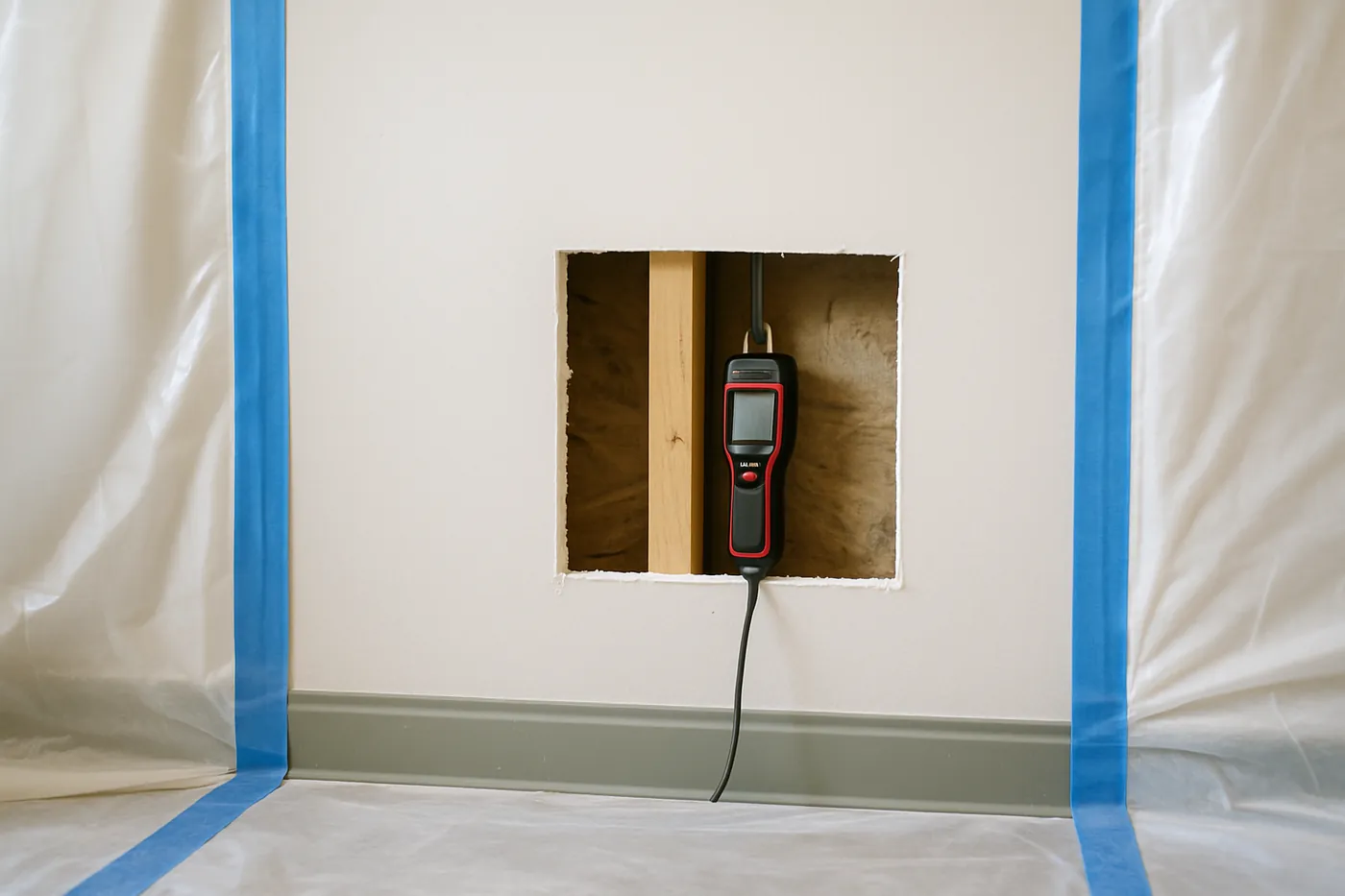
Setting up a Fort Myers Beach visit
A local specialist who works on the island will phone you back to pick a time; the form below or a call starts it. If a rebuild contractor already gave you a number, keep it, and ask for wall and slab readings behind each line so the two can be read side by side. The cost guide shows typical ranges, and service areas lists the mainland towns.
Get a Fort Myers mold inspection
Tell us what you’re seeing or smelling: a musty room, staining on a wall base, discoloration in the AC closet, humidity that never drops, and we’ll pass it to one independent local specialist who works in Fort Myers. That specialist will call you back about an inspection.